seismic wire, also known as geophone cable, is an essential component in the field of seismology. This specialized wire is used to connect seismic sensors, known as geophones, to recording equipment for monitoring and measuring ground vibrations. The applications of seismic wire are vast, ranging from earthquake detection and monitoring to oil and gas exploration. In this article, we will delve into the benefits of seismic wire and its role in various industries.
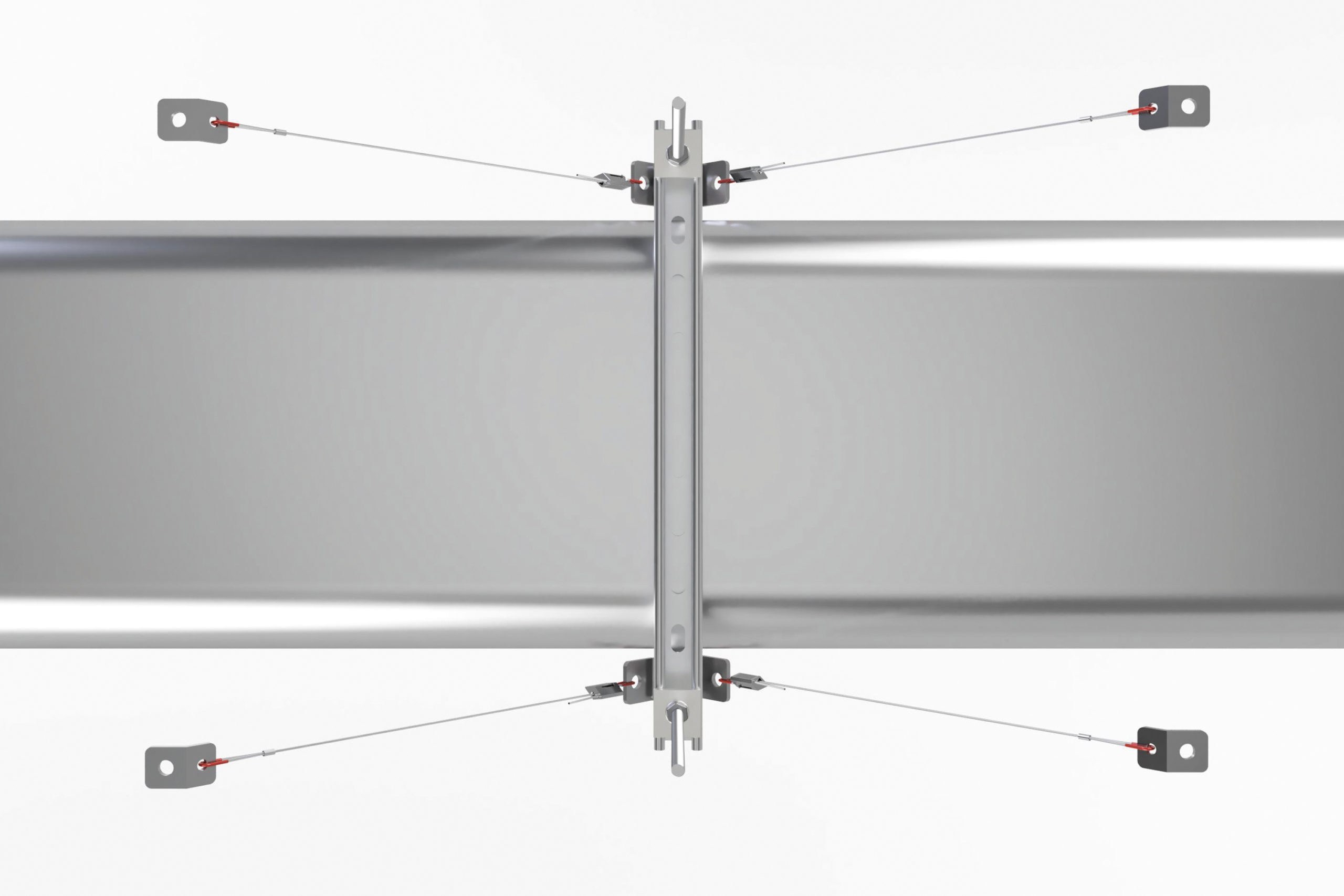
One of the primary advantages of seismic wire is its durability and reliability in harsh environmental conditions. Seismic surveys are often conducted in remote and rugged terrains, where the wire is subjected to extreme temperatures, moisture, and physical stress. seismic wire is designed to withstand these challenges, ensuring consistent data transmission throughout the survey. This reliability is crucial for capturing accurate seismic signals and preventing data loss, which can impact the interpretation of geological structures and potential hazards.
Another benefit of seismic wire is its flexibility and ease of installation. Geophone cables come in various lengths and configurations to accommodate different survey requirements, whether it be shallow or deep seismic investigations. The flexibility of seismic wire allows for easy deployment in challenging terrains, such as mountains, deserts, or underwater environments. This versatility makes seismic wire a preferred choice for seismic exploration companies looking to conduct comprehensive surveys in diverse locations.
In addition to its durability and flexibility, seismic wire offers high sensitivity and low noise levels, crucial for detecting subtle ground movements and seismic events. Geophones connected by seismic wire can pick up vibrations as small as a fraction of a millimeter, providing detailed insights into seismic waves and earth movements. This high sensitivity is particularly valuable in earthquake monitoring, where early detection and accurate data are essential for hazard mitigation and public safety.
seismic wire is also essential for oil and gas exploration, where it is used to identify underground reserves and map subsurface structures. By deploying geophones connected with seismic wire, geoscientists can analyze seismic reflections and refractions caused by sound waves traveling through different rock layers. This data is then processed to create 2D or 3D seismic images, aiding in reservoir characterization, well placement, and resource estimation. The accuracy and reliability of seismic wire play a critical role in the success of oil and gas exploration projects, helping companies make informed decisions and reduce drilling risks.
Moreover, seismic wire is instrumental in environmental monitoring and geotechnical investigations. By measuring ground vibrations and soil properties, geophones connected with seismic wire can assess the stability of slopes, dams, and infrastructure projects. This data is essential for evaluating the seismic risk of construction sites and implementing mitigation measures to prevent potential disasters. Seismic wire also plays a role in monitoring underground water flows, identifying geological hazards, and studying the impact of human activities on the environment.
In conclusion, seismic wire is a versatile and indispensable tool for various industries, including seismology, oil and gas exploration, environmental monitoring, and geotechnical engineering. Its durability, flexibility, sensitivity, and reliability make it a preferred choice for seismic surveys in challenging terrains and harsh conditions. By connecting geophones to recording equipment, seismic wire enables the collection of accurate and detailed seismic data, contributing to our understanding of earth processes and natural hazards. As technology continues to advance, seismic wire will play a crucial role in shaping the future of seismic exploration and environmental monitoring.