Category: Uncategorized

  • The Devastating Effects Of Art Water Damage

    art water damage can have a profound impact on precious works of art, leaving behind irreversible destruction and loss. From paintings to sculptures to photographs, water can seep into the delicate materials and cause irreversible harm. Whether the result of a flood, a leak, or a burst pipe, water damage can be devastating for artists, collectors, and art enthusiasts alike.

    One of the most common forms of art water damage is mold growth. Mold thrives in moist environments, and once it takes hold on a piece of art, it can quickly spread and cause irreparable damage. Mold not only mars the surface of the artwork, but it can also penetrate deep into the materials, weakening them from the inside out. In addition to mold, water can cause colors to run or fade, paper to warp, and delicate surfaces to crack or peel. These effects can fundamentally alter the appearance and integrity of a piece of art, robbing it of its beauty and value.

    In addition to physical damage, water can also compromise the structural integrity of works of art. For example, water can weaken the bonds of paint to canvas, causing flaking and loss of detail. It can also warp wooden frames or stretchers, leading to misshapen or distorted paintings. For sculptures, water damage can cause materials to expand or contract, resulting in cracks or breakage. In the case of photographs, water can dissolve the emulsion layer, destroying the image beneath.

    The financial cost of repairing art water damage can be exorbitant. Restoration specialists may need to painstakingly remove mold, repair tears and cracks, touch up paint, re-stretch canvases, or reconstruct sculptures. These processes can be time-consuming and labor-intensive, driving up the cost of restoration. In some cases, the damage may be so severe that restoration is impossible, leaving the artwork irreparably damaged and its value diminished or lost entirely.

    Preventing art water damage is essential for preserving the integrity and value of precious works of art. Proper storage and display techniques can help protect artworks from water exposure. For example, storing artworks in climate-controlled environments with controlled humidity levels can help prevent mold growth. Using archival materials for framing and storing artworks can also help protect them from water damage. In addition, regular inspections of plumbing and drainage systems can help identify and address potential sources of water leaks before they cause harm.

    In the event of water damage, immediate action is critical to minimizing the impact on works of art. If a work of art has been exposed to water, it should be removed from the affected area and allowed to dry in a controlled environment. Care should be taken to avoid exposing the artwork to heat or direct sunlight, as this can cause further damage. Professional restoration specialists should be contacted as soon as possible to assess the extent of the damage and recommend a course of action for restoration.

    art water damage is a serious threat to the preservation of valuable works of art. Whether caused by a natural disaster, a plumbing malfunction, or a simple accident, water damage can have devastating consequences for artists, collectors, and art lovers. By taking proactive measures to prevent water damage and responding quickly in the event of an emergency, it is possible to protect artworks from the ravages of water and preserve them for future generations to enjoy.
  • The Importance Of The Tail End In Different Aspects Of Life

    When we hear the term “Tail End,” our minds may immediately jump to the back part of something. However, the Tail End plays a significant role in various aspects of life. Whether it be in business, relationships, or even physical attributes, the Tail End is essential in determining outcomes and making a lasting impact.

    In business, the tail end refers to the last portion of a distribution curve where items have lower demand or popularity compared to the front or head of the curve. This concept is commonly seen in retail, where a few products generate the most sales, while the majority of items make up the long tail of the curve. Companies that understand the importance of the tail end can capitalize on niche markets and cater to specific customer needs that may be overlooked by larger retailers.

    For example, online marketplaces like Etsy or Amazon allow independent sellers to reach a global audience and showcase unique products that may not be readily available in brick-and-mortar stores. By tapping into the tail end of the market, these sellers can connect with customers who are looking for personalized or niche items, leading to increased sales and customer loyalty.

    In relationships, the tail end can represent the final stages of a partnership or friendship. While the beginning of a relationship is often filled with excitement and novelty, it is the tail end that tests the strength and longevity of the bond. How individuals navigate conflicts, changes, and life events in the tail end of a relationship can determine whether it will continue to thrive or come to an end.

    Communication, compromise, and mutual respect play crucial roles in maintaining relationships, especially when facing challenges. By addressing issues head-on and being transparent about feelings and expectations, couples and friends can strengthen their connection and weather the ups and downs that come with the tail end of a relationship.

    Physically, the tail end can refer to the bottom or rear part of an object or organism. In anatomy, the tail end of an animal can serve various functions, from balance and mobility to communication and defense. Certain species, like a peacock or a scorpion, use their tails to attract mates or defend themselves against predators.

    In the context of evolution, the tail end of a species can provide valuable insights into its genetic history and adaptation to its environment. Fossils and DNA studies have shown how changes in the tail end of organisms over time have contributed to their survival and diversity. Understanding the evolutionary significance of the tail end can help researchers and scientists uncover new information about the past and present biodiversity on Earth.

    In conclusion, the tail end holds a special place in different aspects of life, from business strategies to personal relationships and biological adaptations. By recognizing the importance of the tail end and its impact on outcomes and experiences, individuals and organizations can leverage this knowledge to navigate challenges, seize opportunities, and create meaningful connections. Embracing the tail end as a vital part of the whole can lead to growth, resilience, and innovation in both personal and professional endeavors.

  • 7 Ways To Protect Your Artwork From Being Stolen

    Artists pour their time, energy, and creativity into creating beautiful pieces of artwork Whether it’s a painting, illustration, photograph, sculpture, or any other form of art, it is important to protect your work from being stolen or copied without your permission Here are 7 ways to protect your artwork from being stolen:

    1 Copyright your artwork: One of the most effective ways to protect your artwork is by copyrighting it Copyright protection gives you exclusive rights to reproduce, distribute, perform, display, and create derivative works based on your original artwork You can register your copyright with the U.S Copyright Office or your country’s copyright office to establish your ownership over your artwork.

    2 Watermark your images: Adding a watermark to your images is a simple yet effective way to deter potential thieves from stealing your artwork Watermarks are translucent logos or text that are placed over an image to identify the artist or copyright holder While watermarks can be removed or tampered with, they can still serve as a visual cue that the artwork is protected by copyright.

    3 Use a licensing agreement: If you want to give permission for others to use your artwork, consider using a licensing agreement A licensing agreement outlines the terms and conditions under which someone else can use your artwork, including the duration, scope, and compensation for the use of your work By using a licensing agreement, you can protect your artwork while still allowing others to enjoy and share it legally.

    4 Monitor your online presence: In today’s digital age, it’s easier than ever for thieves to steal artwork from online sources how do i protect my artwork from being stolen. To protect your artwork from being stolen online, regularly monitor your online presence and conduct reverse image searches to find unauthorized use of your work If you find that your artwork has been stolen, take action by sending a cease and desist letter or filing a Digital Millennium Copyright Act (DMCA) takedown notice to have the infringing content removed.

    5 Create a unique signature or logo: Adding a unique signature or logo to your artwork can help establish your identity as the artist and prevent others from passing off your work as their own Consider incorporating your signature or logo into your artwork in a way that enhances the overall design without detracting from the artistic integrity of the piece By adding a personal touch to your artwork, you can make it easier for others to recognize and respect your copyright.

    6 Secure your physical artwork: If you create physical artwork such as paintings, sculptures, or prints, it’s important to secure your pieces to prevent theft Consider using security measures such as installing alarm systems, surveillance cameras, or tracking devices to protect your artwork from being stolen You can also display your artwork in secure locations or galleries that have proper security measures in place to deter potential thieves.

    7 Educate yourself on intellectual property rights: As an artist, it’s essential to educate yourself on intellectual property rights and understand the laws and regulations that protect your artwork By familiarizing yourself with copyright, trademark, and other intellectual property rights, you can better protect your artwork and take appropriate action against infringement Stay informed on the latest developments in intellectual property law and seek legal advice if you have any questions or concerns about protecting your artwork.

    In conclusion, protecting your artwork from being stolen requires a combination of legal protection, technological safeguards, and proactive measures By copyrighting your artwork, watermarking your images, using licensing agreements, monitoring your online presence, creating a unique signature or logo, securing your physical artwork, and educating yourself on intellectual property rights, you can safeguard your artistic creations and ensure that your work is respected and valued by others Remember that protecting your artwork is not only about preventing theft but also about preserving the integrity and authenticity of your creative expression.

  • The Importance Of Using The Right Hospital Cleaning Supplies

    When it comes to maintaining a clean and sterile environment in hospitals, using the right cleaning supplies is crucial. Hospitals are places where patients come to receive medical care and treatment, but they are also environments where harmful bacteria and viruses can easily spread if proper cleaning protocols are not followed. This is why using hospital-grade cleaning supplies is essential in order to prevent the spread of infections and keep patients, visitors, and staff safe.

    hospital cleaning supplies are specially formulated to effectively kill bacteria, viruses, and other harmful pathogens that can be present in healthcare settings. These supplies must meet strict standards set by regulatory agencies such as the Centers for Disease Control and Prevention (CDC) and the Environmental Protection Agency (EPA) to ensure their effectiveness in killing germs and preventing the spread of infections.

    One of the most important hospital cleaning supplies is disinfectant wipes. These wipes are pre-moistened with disinfectant solutions that can quickly and effectively kill a wide range of bacteria and viruses. They are commonly used to clean and disinfect high-touch surfaces such as doorknobs, light switches, countertops, and patient care equipment. Disinfectant wipes are convenient to use and can help reduce the risk of healthcare-associated infections in hospitals.

    Another essential hospital cleaning supply is disinfectant spray. These sprays are used to disinfect larger surfaces such as floors, walls, and furniture. Disinfectant sprays can be applied using a spray bottle or a misting system to ensure thorough coverage and maximum effectiveness. They are particularly important for cleaning areas that are difficult to reach with wipes, such as ceilings and air vents.

    In addition to disinfectant wipes and sprays, hospitals also need to have a variety of other cleaning supplies on hand to maintain a clean and sanitary environment. These may include detergents for cleaning surfaces before disinfection, glass cleaners for windows and mirrors, and floor cleaners for maintaining cleanliness in patient rooms, hallways, and waiting areas.

    It is important for hospitals to have a well-stocked supply of cleaning products to ensure that they can effectively clean and disinfect their facilities on a regular basis. Running out of essential cleaning supplies can compromise the safety and well-being of patients and staff, so hospitals must stay on top of their inventory and reorder supplies as needed.

    In addition to using the right cleaning supplies, hospitals must also train their staff on the proper cleaning protocols and procedures to ensure that cleaning is done effectively and consistently. This includes teaching staff how to properly dilute cleaning solutions, how long to leave disinfectants on surfaces, and how to safely dispose of used cleaning materials.

    Regular cleaning and disinfection of hospital surfaces are essential for preventing the spread of infections and keeping patients safe. It is not enough to simply clean visible dirt and grime; hospitals must also focus on eliminating harmful germs that can linger on surfaces and cause infections. Using the right hospital cleaning supplies is key to achieving this goal and maintaining a clean and sanitary environment in healthcare settings.

    In conclusion, hospital cleaning supplies play a critical role in maintaining a clean and sterile environment in healthcare settings. From disinfectant wipes and sprays to detergents and floor cleaners, these supplies are essential for preventing the spread of infections and keeping patients, visitors, and staff safe. Hospitals must prioritize the use of high-quality cleaning products and ensure that their staff is properly trained on how to use them effectively. By using the right cleaning supplies and following best practices for cleaning and disinfection, hospitals can create a safe and healthy environment for all who enter their doors.

  • The Rise Of Additive Manufacturing: How Is Shaping The Future Of Industry

    Additive manufacturing, also known as 3D printing, is revolutionizing the way products are designed, prototyped, and manufactured. One company at the forefront of this technological advancement is additive company.

    additive company is an additive company that specializes in providing innovative solutions for various industries, including aerospace, automotive, healthcare, and more. Their cutting-edge technology allows for the production of complex, customized parts with unmatched precision and efficiency.

    One of the key benefits of additive manufacturing is the ability to create parts on-demand, as needed, without the constraints of traditional manufacturing processes. This flexibility has proven invaluable for industries that require quick turnaround times, such as aerospace and healthcare.

    In the aerospace industry, for example, additive company‘s additive manufacturing capabilities have enabled companies to design and produce lightweight, high-performance components that were previously unattainable. This has led to significant advancements in aircraft performance, fuel efficiency, and overall safety.

    Similarly, in the healthcare sector, additive manufacturing has revolutionized the production of medical devices, implants, and prosthetics. additive company has played a crucial role in this transformation by providing customized solutions for patients in need of personalized medical devices.

    The automotive industry has also benefited greatly from additive company’s additive manufacturing technology. By utilizing 3D printing, automakers can reduce lead times, streamline production processes, and create complex parts that were once impossible to manufacture.

    In addition to its versatility and speed, additive manufacturing offers significant cost savings compared to traditional manufacturing methods. By eliminating the need for tooling, molds, and other costly processes, companies can produce parts more affordably and efficiently.

    Moreover, the sustainability of additive manufacturing is another key advantage. By utilizing only the materials needed to create a part, there is minimal waste generated during the production process. This not only reduces costs but also minimizes the environmental impact of manufacturing operations.

    As the demand for customized, high-performance products continues to grow, the importance of additive manufacturing will only increase. Companies like additive company are at the forefront of this technological revolution, providing innovative solutions to meet the evolving needs of various industries.

    To stay ahead of the competition, companies must embrace additive manufacturing and leverage its capabilities to improve product design, enhance production processes, and drive innovation. By partnering with a leading additive company like additive company, businesses can access the latest advancements in 3D printing technology and gain a competitive edge in the market.

    In conclusion, the rise of additive manufacturing is shaping the future of industry in profound ways. Companies like additive company are leading the charge in revolutionizing how products are designed, prototyped, and manufactured. With its numerous benefits, including flexibility, speed, cost savings, and sustainability, additive manufacturing is poised to become the new standard in manufacturing processes across various sectors. As companies continue to adopt 3D printing technology, the possibilities for innovation are endless, and the potential for growth is limitless.

  • Revolutionizing Industries With Additive Manufacturing Innovation

    Additive manufacturing, also known as 3D printing, has quickly become a game-changer in various industries. This innovative technology allows for the creation of intricate and complex parts and products that were previously challenging or impossible to manufacture using traditional methods. additive manufacturing innovation is driving significant advancements in fields such as aerospace, healthcare, automotive, and more.

    One of the key benefits of additive manufacturing is its ability to significantly reduce lead times and production costs. Traditional manufacturing processes often involve multiple steps and tools, leading to longer production times and increased costs. Additive manufacturing simplifies the production process by directly translating digital models into physical objects, eliminating the need for molds, tools, and other expensive equipment. This streamlined production process allows for quick and cost-effective prototyping and production of custom parts and products.

    In the aerospace industry, additive manufacturing is revolutionizing the way aircraft components are designed and manufactured. By using advanced 3D printing technologies, aerospace engineers can create lightweight and durable parts with complex geometries that were previously unachievable. additive manufacturing innovation is allowing for the production of next-generation aircraft components that are not only stronger and more efficient but also significantly lighter, resulting in improved fuel efficiency and reduced emissions.

    The healthcare industry is another sector that is benefiting greatly from additive manufacturing innovation. From customized implants and prosthetics to complex surgical instruments and medical devices, 3D printing is transforming the way healthcare professionals approach patient care. Additive manufacturing allows for the production of personalized medical devices tailored to meet the specific needs of individual patients, leading to better outcomes and improved quality of life.

    Automotive manufacturers are also embracing additive manufacturing innovation to enhance the design and production of vehicles. By utilizing 3D printing technologies, automotive engineers can create lightweight and aerodynamic parts that improve fuel efficiency and performance. Additive manufacturing enables the rapid prototyping and testing of new vehicle designs, leading to faster innovation cycles and more fuel-efficient and environmentally friendly vehicles.

    Beyond these industries, additive manufacturing innovation is also making waves in the world of fashion, architecture, and consumer goods. Fashion designers are using 3D printing to create unique and avant-garde clothing and accessories, while architects are using the technology to prototype and build intricate and sustainable structures. Additive manufacturing is enabling consumers to personalize and customize products like never before, from custom-made jewelry to personalized phone cases.

    While additive manufacturing innovation has already made significant strides in various industries, the technology continues to evolve and push the boundaries of what is possible. Researchers and engineers are constantly exploring new materials, processes, and applications for additive manufacturing, paving the way for even more revolutionary advancements in the future.

    As additive manufacturing technologies become more accessible and affordable, we can expect to see widespread adoption across industries and sectors. The ability to quickly and cost-effectively produce custom and complex parts and products will continue to drive innovation and competitiveness in the global marketplace.

    In conclusion, additive manufacturing innovation is revolutionizing industries and changing the way we design, produce, and consume products. The ability to create intricate and customized parts and products quickly and cost-effectively is opening up new opportunities for innovation and creativity across a wide range of industries. As additive manufacturing technologies continue to advance, we can expect to see even more groundbreaking developments that will shape the future of manufacturing and design.

  • The Art Of Etching On Steel: A Guide For Beginners

    etching on steel is a fascinating and versatile technique that allows artists to create intricate designs on metal surfaces. Whether you are a seasoned artist looking to experiment with a new medium or a beginner interested in learning a new skill, etching on steel offers endless possibilities for creativity and expression.

    So, what exactly is etching on steel? In simple terms, etching is the process of using an acid solution to create images or designs on a metal surface. When applied to steel, the acid eats away at the metal, leaving behind the desired design. This technique has been used for centuries by artists and craftsmen to create detailed patterns, texts, and illustrations on various metal surfaces.

    If you are interested in trying your hand at etching on steel, here is a step-by-step guide to get you started:

    1. Prepare your steel plate: Start by choosing a high-quality steel plate for your project. Make sure the surface is clean and free of any dirt or grease. You can use a piece of fine steel wool to gently scrub the surface and remove any impurities.

    2. Apply the etching resist: Next, you will need to apply a protective coating, known as an etching resist, to the steel plate. This resist will protect the areas of the steel that you do not want to etch. There are various types of etching resists available, such as wax, asphaltum, or even a special etching pen. Choose the one that best suits your project.

    3. Create your design: Once the resist has dried, you can begin transferring your design onto the steel plate. You can use a variety of tools and techniques to create your design, such as drawing freehand with an etching needle, using stencils, or transferring a printed image onto the plate.

    4. Etch the steel: After the design has been transferred, it’s time to start the etching process. Prepare a solution of acid and water in a well-ventilated area, following the manufacturer’s instructions carefully. Dip a brush or cotton swab into the acid solution and carefully apply it to the exposed areas of the steel plate. Be sure to wear protective gloves and goggles to avoid contact with the acid.

    5. Monitor the etching process: The etching process can take anywhere from a few minutes to several hours, depending on the depth and complexity of your design. Periodically check on the progress of the etching by gently rinsing the plate with water to remove the acid. Once you are satisfied with the results, neutralize the acid with a solution of baking soda and water.

    6. Clean and finish the steel plate: Once the etching is complete, remove the resist from the steel plate using a solvent like mineral spirits or acetone. Clean the plate thoroughly to remove any remaining residue and polish the surface to reveal the intricate design underneath.

    etching on steel requires patience, precision, and practice, but the results are well worth the effort. Whether you are creating custom jewelry, decorative art pieces, or industrial prototypes, etching on steel offers endless possibilities for creativity and innovation.

    In conclusion, etching on steel is a timeless technique that continues to captivate artists and craftsmen around the world. With the right tools, materials, and techniques, you can create stunning designs on metal surfaces that are sure to impress. So why not give etching on steel a try and see where your creativity takes you?

    etching on steel offers a unique and exciting way to explore the art of metalworking and create truly one-of-a-kind pieces. Whether you are a beginner or an experienced artist, etching on steel is a versatile and rewarding technique that is sure to inspire and delight.

  • Revolutionizing Manufacturing: The Power Of Industrial Metal Additive Manufacturing Machines

    industrial metal additive manufacturing machines, also known as 3D metal printers, are revolutionizing the manufacturing industry. These machines use advanced technology to build objects layer by layer, offering a level of precision and customization that traditional manufacturing methods simply cannot match. This technology has the potential to drastically change the way we produce a wide range of products, from complex aerospace components to intricate jewelry pieces. In this article, we will explore the capabilities and applications of industrial metal additive manufacturing machines and how they are shaping the future of manufacturing.

    One of the key advantages of industrial metal additive manufacturing machines is their ability to produce complex geometries that would be impossible or extremely difficult to manufacture using traditional methods. This is because the additive manufacturing process allows for precise control over the shape and structure of the final product, making it possible to create intricate designs and intricate parts with minimal waste. For industries such as aerospace and automotive, this level of customization can lead to significant improvements in performance and efficiency.

    Another major advantage of industrial metal additive manufacturing machines is their ability to produce lightweight yet strong parts. By using materials such as titanium, aluminum, and stainless steel, these machines can create components that are both durable and lightweight, making them ideal for applications where weight is a critical factor. This is particularly important in industries such as aerospace, where the weight of a component can have a significant impact on fuel efficiency and overall performance.

    industrial metal additive manufacturing machines are also changing the way prototypes and small production runs are made. In the past, creating prototypes or small batches of parts required expensive and time-consuming processes such as casting or machining. With 3D metal printers, companies can quickly and cost-effectively produce prototypes and small batches of parts, allowing for faster iteration and testing of new designs. This rapid prototyping capability is invaluable for companies looking to bring products to market quickly and efficiently.

    The applications of industrial metal additive manufacturing machines are vast and diverse. In the aerospace industry, these machines are used to produce complex components for aircraft and spacecraft, such as turbine blades, fuel nozzles, and structural brackets. In the medical industry, metal additive manufacturing is used to create customized implants and prosthetics that are tailored to the specific needs of individual patients. In the automotive industry, these machines are used to produce lightweight components for vehicles, such as engine parts and suspension components.

    One of the most exciting developments in industrial metal additive manufacturing is the use of advanced materials such as superalloys and composites. These materials offer enhanced properties such as high strength, temperature resistance, and corrosion resistance, making them ideal for applications in demanding environments. By combining advanced materials with the precision and flexibility of 3D metal printing, manufacturers can create components that are stronger, lighter, and more durable than ever before.

    As industrial metal additive manufacturing machines continue to evolve and improve, the possibilities for their applications are limitless. From custom jewelry and artistic sculptures to high-performance aerospace components and medical implants, the potential for this technology to transform manufacturing is enormous. Companies that embrace and invest in 3D metal printing technology stand to gain a competitive edge in their respective industries, as they can produce innovative products with greater efficiency and flexibility.

    In conclusion, industrial metal additive manufacturing machines are a game-changer for the manufacturing industry. With their ability to produce complex geometries, lightweight yet strong parts, and advanced materials, these machines are pushing the boundaries of what is possible in manufacturing. As companies continue to explore the capabilities of 3D metal printing, we can expect to see even more exciting developments in the years to come. industrial metal additive manufacturing machines are truly shaping the future of manufacturing, and the possibilities are endless.

  • The Versatility Of A Flatbed Beavertail Truck: A Comprehensive Guide

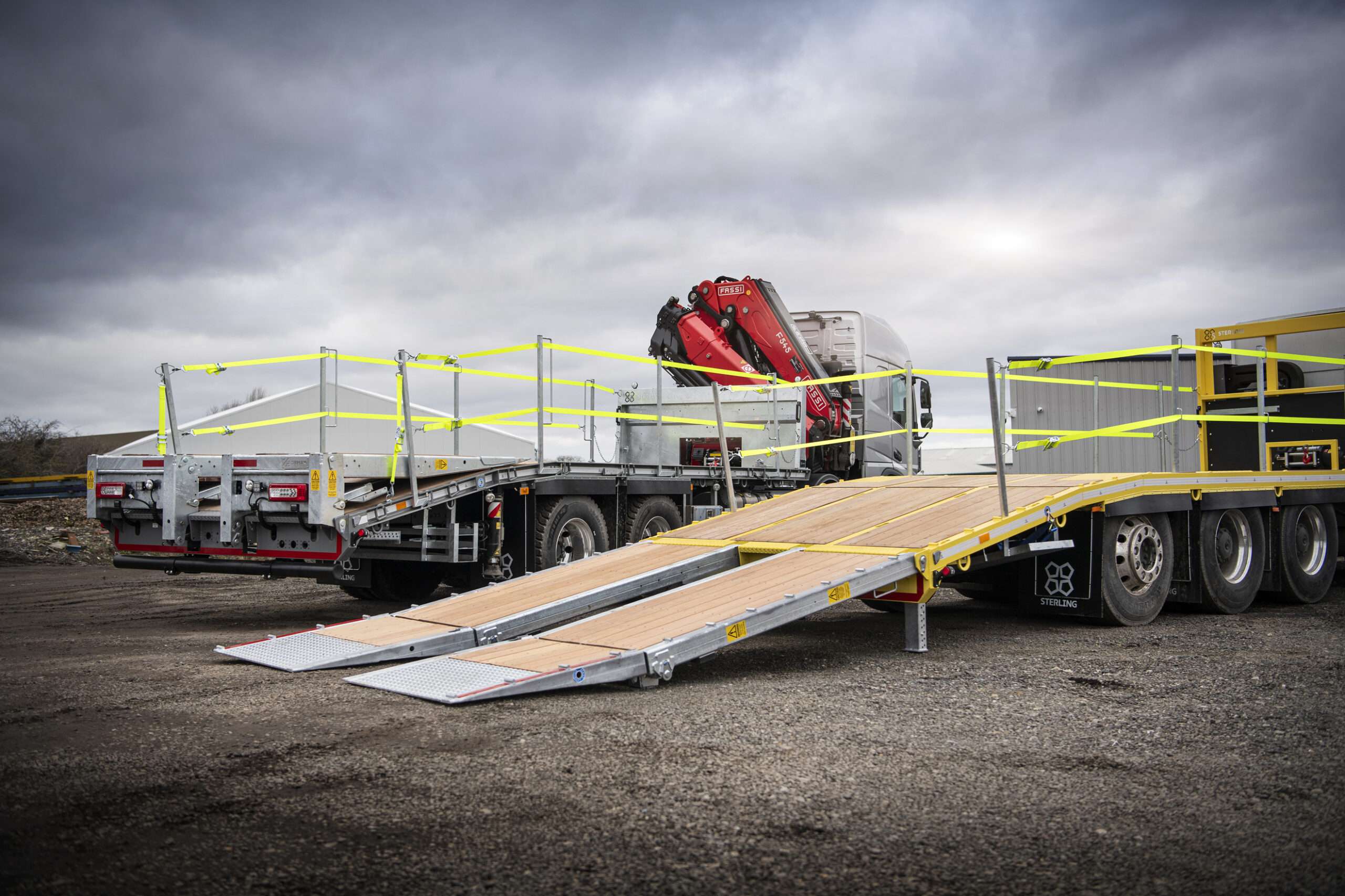
    flatbed beavertail trucks have become an essential tool in various industries due to their unique design and functionality. From construction sites to transportation services, these trucks play a crucial role in moving heavy equipment and oversized loads. In this article, we will explore the versatility of a flatbed beavertail truck and how it can benefit businesses in different sectors.

    The flatbed beavertail truck is equipped with a flat platform bed that slopes downwards at the rear, forming a ramp known as the beavertail. This design allows for easy loading and unloading of equipment and materials without the need for additional lifting devices. The beavertail ramp can be lowered to the ground, providing a smooth transition for vehicles and other heavy items to drive onto the truck bed.

    One of the main advantages of a flatbed beavertail truck is its versatility in transporting various types of cargo. Whether it’s construction equipment, machinery, vehicles, or building materials, these trucks can accommodate a wide range of loads. The beavertail ramp can support heavy weights and has a high load capacity, making it suitable for carrying large and bulky items that cannot be transported by conventional trucks.

    flatbed beavertail trucks are commonly used in the construction industry for transporting heavy equipment such as excavators, bulldozers, and cranes. The beavertail ramp allows construction machinery to be loaded and unloaded quickly and efficiently, saving time and labor costs on the job site. These trucks are also ideal for delivering building materials like steel beams, lumber, and concrete blocks, providing a convenient way to transport construction supplies to and from the site.

    In addition to construction, flatbed beavertail trucks are also utilized in the transportation and logistics sector for hauling oversized loads. Whether it’s transporting oversized machinery, industrial equipment, or vehicles, these trucks offer a secure and reliable way to move heavy cargo. The beavertail ramp can handle the weight of large vehicles like trucks, buses, and trailers, making it easier to load and unload them onto the truck bed.

    Furthermore, flatbed beavertail trucks are essential for businesses involved in the event and entertainment industry. These trucks are commonly used for transporting stage equipment, lighting rigs, sound systems, and other production gear to concert venues, festivals, and corporate events. The beavertail ramp provides a convenient loading platform for setting up and dismantling event equipment, ensuring a smooth and efficient process for event organizers and crew members.

    Another benefit of using a flatbed beavertail truck is its safety features and ease of operation. The beavertail ramp is equipped with hydraulic systems that allow for controlled and gradual lowering and raising of the ramp. This ensures safe loading and unloading of heavy items, reducing the risk of accidents or injuries on the job site. Additionally, flatbed beavertail trucks are equipped with secure tie-down points to prevent cargo from shifting during transport, providing added safety and security for the load.

    In conclusion, flatbed beavertail trucks are a versatile and effective solution for businesses in various industries that require transporting heavy equipment and oversized loads. From construction sites to event venues, these trucks offer a convenient and reliable way to move cargo safely and efficiently. With their unique design and functionality, flatbed beavertail trucks have become an indispensable asset for businesses looking to streamline their transportation operations and maximize productivity. Whether it’s loading construction equipment, transporting vehicles, or delivering event gear, the flatbed beavertail truck is a valuable tool that can meet the diverse needs of today’s businesses.

    With its versatility and practicality, the flatbed beavertail truck is an essential asset for businesses in need of a reliable transportation solution for heavy and oversized loads. Whether it’s construction equipment, machinery, vehicles, or event gear, these trucks offer a convenient and efficient way to transport cargo safely and securely. Businesses looking to streamline their operations and maximize productivity can benefit greatly from investing in a flatbed beavertail truck.

  • The Importance Of EMI Shielding Products In Today’s Technological World

    In today’s fast-paced and technologically advanced world, electromagnetic interference (EMI) has become a growing concern for companies and manufacturers across various industries EMI is the disturbance caused by an electromagnetic field that interferes with the proper functioning of electronic devices and equipment This interference can lead to erratic behavior, reduced performance, and even damage to sensitive electronic components To combat this issue, companies rely on EMI shielding products to protect their devices and ensure smooth operations.

    EMI shielding products are designed to block or reduce the electromagnetic radiation emitted by electronic devices, preventing interference with other devices in the vicinity These products come in various forms, including conductive coatings, enclosures, gaskets, tapes, and filters Each type of shielding product serves a specific purpose and is used in different applications to address various EMI concerns.

    One of the most common EMI shielding products is conductive coatings, which are applied to the surface of electronic devices to create a barrier against electromagnetic interference These coatings are typically made of materials like copper, nickel, or silver that have high conductivity and can effectively block electromagnetic radiation Conductive coatings are often used in electronic devices such as smartphones, tablets, laptops, and medical equipment to prevent EMI from affecting their performance.

    Another essential EMI shielding product is enclosures, which are metal or conductive plastic casings that enclose electronic devices and block electromagnetic radiation from entering or leaving the device Enclosures are commonly used in sensitive equipment such as radar systems, communication devices, and computer servers to ensure that they operate smoothly without interference These enclosures are designed to be sturdy, durable, and able to withstand harsh environmental conditions.

    Gaskets are another critical component of EMI shielding products, which are used to seal the gaps and seams in electronic devices and prevent electromagnetic radiation from leaking out emi shielding products. Gaskets are usually made of conductive materials such as silicone rubber, neoprene, or metal that provide a tight seal around the edges of electronic components These gaskets are essential for preventing EMI leakage and ensuring that electronic devices function efficiently without interference.

    In addition to conductive coatings, enclosures, and gaskets, tapes and filters are also essential EMI shielding products used to protect electronic devices from electromagnetic interference Conductive tapes are used to wrap around cables, wires, and connectors to shield them from EMI, while filters are installed in electronic circuits to reduce noise and improve signal quality These products play a crucial role in maintaining the integrity and performance of electronic devices in the presence of electromagnetic interference.

    The importance of EMI shielding products cannot be overstated, especially in today’s interconnected world where electronic devices are ubiquitous With the increasing use of wireless communication technologies, IoT devices, and smart systems, the risk of electromagnetic interference has grown significantly, making EMI shielding products essential for ensuring device reliability and performance Companies that overlook the need for proper EMI shielding risk facing costly consequences such as system failures, data loss, and reduced product lifespan.

    In conclusion, EMI shielding products are vital components in the electronic industry that help protect devices from electromagnetic interference and ensure optimal performance From conductive coatings to enclosures, gaskets, tapes, and filters, these products play a crucial role in safeguarding electronic devices from external disturbances and maintaining their functionality As technology continues to advance, the demand for EMI shielding products will only increase, highlighting the importance of investing in quality shielding solutions for long-term success in today’s fast-paced and ever-evolving technological landscape.