Category: Uncategorized

  • The Importance Of MRO (Maintenance Repair Operations) In Today’s Business Environment

    In any business that deals with physical assets such as machinery, equipment, or infrastructure, the maintenance and repair operations play a crucial role in ensuring the smooth functioning of these assets This is where MRO, or Maintenance Repair Operations, come into play MRO refers to the activities involved in maintaining, repairing, and optimizing assets to ensure their efficient operation.

    MRO encompasses a wide range of activities, including routine maintenance, preventive maintenance, corrective maintenance, and predictive maintenance Routine maintenance involves regular checks and inspections to ensure that equipment is in good working condition Preventive maintenance aims to prevent breakdowns by replacing parts or making repairs before they fail Corrective maintenance is carried out to fix equipment that has already failed, while predictive maintenance uses data and analytics to predict when maintenance is required.

    The importance of MRO in today’s business environment cannot be overstated Here are some key reasons why MRO is essential for businesses:

    1 Minimizing Downtime: Downtime can have a significant impact on a business’s bottom line When equipment breaks down, production stops, leading to delays, lost revenue, and unhappy customers By implementing a robust MRO program, businesses can minimize downtime by ensuring that equipment is well-maintained and repaired promptly when issues arise.

    2 Extending Asset Life: Proper maintenance and repair can help extend the life of assets, reducing the need for costly replacements By investing in MRO, businesses can maximize the return on their assets and avoid the expense of premature replacements.

    3 Improving Safety: Safety is a top priority in any business, and properly maintained equipment is essential for ensuring a safe work environment mro (maintenance repair operations). Regular maintenance and repairs help identify and address safety issues before they lead to accidents or injuries, protecting both employees and the business.

    4 Optimizing Performance: Well-maintained equipment operates more efficiently, delivering better performance and productivity By keeping assets in optimal condition through MRO, businesses can maximize their output and achieve their operational goals.

    5 Cost Savings: While investing in MRO may require upfront costs, the long-term benefits far outweigh the expenses By preventing breakdowns, reducing downtime, and extending asset life, businesses can save money in the long run and improve their overall profitability.

    6 Compliance: Many industries have strict regulations and standards regarding equipment maintenance and safety By implementing a comprehensive MRO program, businesses can ensure they are in compliance with these regulations, avoiding penalties and legal issues.

    7 Enhancing Customer Satisfaction: Reliable equipment is essential for delivering products and services on time and meeting customer expectations By maintaining and repairing equipment effectively, businesses can enhance customer satisfaction and build lasting relationships with their clients.

    Overall, MRO is a critical function in today’s business environment, ensuring the efficient operation of assets, minimizing downtime, improving safety, optimizing performance, and saving costs Businesses that prioritize MRO are better equipped to succeed in a competitive marketplace and adapt to changing business conditions.

    In conclusion, MRO (Maintenance Repair Operations) is an essential component of any business that relies on physical assets By investing in a robust MRO program, businesses can minimize downtime, extend asset life, improve safety, optimize performance, save costs, ensure compliance, and enhance customer satisfaction In today’s rapidly evolving business environment, prioritizing MRO is key to success and sustainability.
  • Everything You Need To Know About Seismic Bracing Systems

    Seismic activity is a constant threat in many parts of the world. Earthquakes can cause devastating damage to buildings and infrastructure, putting lives at risk and costing billions of dollars in repairs. This is why it is crucial for buildings in earthquake-prone areas to have a seismic bracing system in place.

    A seismic bracing system is a series of elements designed to prevent or minimize damage to a building during an earthquake. These systems are typically made up of braces, anchors, and other structural elements that are strategically placed throughout a building to help it withstand the forces of an earthquake.

    There are several different types of seismic bracing systems, including active and passive systems. Active systems use sensors and actuators to detect seismic activity and adjust the building’s structure accordingly. Passive systems, on the other hand, are designed to absorb the energy of an earthquake and dissipate it throughout the building.

    One common type of seismic bracing system is the base isolation system. This system works by decoupling the building from the ground using either flexible bearings or sliding plates. This allows the building to move independently of the ground during an earthquake, reducing the forces that are transferred to the structure.

    Another type of seismic bracing system is the moment-resisting frame system. This system uses special connections between the beams and columns of a building to provide additional strength and support during an earthquake. These connections are designed to flex and absorb the energy of an earthquake, helping to prevent the building from collapsing.

    In addition to these systems, there are also supplemental bracing systems that can be added to existing buildings to improve their seismic performance. These systems typically involve adding additional braces, anchors, or supports to strengthen the building’s structure and reduce the risk of damage during an earthquake.

    One of the key benefits of a seismic bracing system is that it can help to protect both the building and its occupants during an earthquake. By reducing the amount of damage that a building sustains during an earthquake, a seismic bracing system can help to prevent injuries and save lives.

    In addition to protecting lives and property, seismic bracing systems can also help to reduce the long-term costs of earthquake damage. By investing in a seismic bracing system, building owners can minimize the need for costly repairs and renovations after an earthquake, saving them time and money in the long run.

    However, designing and installing a seismic bracing system can be a complex and specialized process. Building owners should work with experienced engineers and contractors to ensure that their building is properly protected against seismic activity.

    Overall, a seismic bracing system is an essential component of any building located in an earthquake-prone area. By investing in a seismic bracing system, building owners can protect their property, their investment, and most importantly, the lives of those who occupy the building.

    In conclusion, seismic bracing systems are crucial for buildings in earthquake-prone areas. These systems help to protect buildings and their occupants from the devastating effects of earthquakes by reducing the forces that are transferred to the structure during an earthquake. Investing in a seismic bracing system is a smart decision for building owners who want to protect their property and save lives in the event of an earthquake.

  • The Power Of Sourcing: Building High-Quality Backlinks For SEO Success

    In the world of search engine optimization (SEO), backlinks play a crucial role in determining the ranking of a website. Backlinks, which are incoming hyperlinks from other websites to your own site, serve as a vote of confidence from other webmasters. Search engines like Google use backlinks as a key factor in determining the authority and credibility of a website. As a result, building high-quality backlinks is a crucial component of any successful SEO strategy.

    One of the key techniques for acquiring backlinks is through the process of sourcing. sourcing refers to the act of finding and securing high-quality backlinks from authoritative websites within your industry or niche. This process requires a strategic approach and a focus on creating valuable and relevant content that will attract attention from other webmasters.

    There are several strategies that can be employed to effectively source high-quality backlinks for your website. One common tactic is to reach out to other websites within your industry and offer to write guest posts or articles on their platforms. By providing valuable content to these websites, you can establish yourself as an authority in your field and attract backlinks to your own site.

    Another effective sourcing strategy is to participate in online communities and forums related to your industry. By engaging with other members and sharing valuable insights and information, you can establish yourself as a thought leader and attract backlinks from other members who find your contributions valuable.

    In addition to actively seeking out backlinks, it is important to also ensure that your own website is optimized for link building. This includes creating high-quality and shareable content that other webmasters will want to link to, as well as optimizing your website’s internal linking structure to make it easier for search engine crawlers to index and rank your site.

    When sourcing backlinks, it is important to focus on quality over quantity. A few high-quality backlinks from authoritative websites within your industry will have a much greater impact on your website’s SEO than a large number of low-quality backlinks from irrelevant or spammy websites. By focusing on building relationships with reputable websites and creating valuable content, you can attract high-quality backlinks that will boost your website’s ranking in search engine results.

    One of the key benefits of sourcing backlinks is that it can help to establish your website as an authority within your industry. Backlinks from other reputable websites serve as a vote of confidence in your content and expertise, which can help to improve your website’s credibility and reputation. This, in turn, can lead to increased visibility and traffic to your site, as well as higher conversion rates and sales.

    Another benefit of sourcing backlinks is that it can help to improve your website’s search engine ranking. Search engines like Google use backlinks as a key factor in determining the authority and relevance of a website. By acquiring high-quality backlinks from authoritative websites within your industry, you can improve your website’s ranking in search engine results and attract more organic traffic to your site.

    In conclusion, sourcing backlinks is a crucial component of any successful SEO strategy. By focusing on building relationships with other websites within your industry and creating valuable and shareable content, you can attract high-quality backlinks that will improve your website’s authority, credibility, and search engine ranking. By investing time and effort into sourcing backlinks, you can set your website up for long-term success in the competitive world of online marketing.

  • Maximizing Safety And Efficiency With Seismic Cable Support

    seismic cable support systems play a crucial role in ensuring the safety and efficiency of seismic exploration projects. These systems are designed to secure cables used in seismic surveys, which are essential for mapping underground structures and identifying potential drilling sites. By providing optimal support for these cables, seismic cable support systems help to maintain the integrity of data collected during seismic surveys and prevent interruptions in the exploration process.

    One of the primary functions of seismic cable support systems is to prevent damage to cables caused by external factors such as rough terrain, inclement weather, and human activities. Seismic exploration often takes place in remote and challenging environments, where cables are at risk of being damaged by rocks, vegetation, or other obstacles. By suspending cables securely above the ground, seismic cable support systems minimize the risk of damage and ensure the uninterrupted operation of seismic equipment.

    In addition to protecting cables from physical damage, seismic cable support systems also help to maintain the accuracy of data collected during seismic surveys. When cables are properly supported and positioned, they can accurately transmit signals to seismic sensors on the ground, enabling geologists and engineers to create detailed subsurface maps. Any disruptions or inconsistencies in cable positioning can lead to errors in data collection, compromising the quality and reliability of seismic survey results. seismic cable support systems play a critical role in ensuring that cables are correctly positioned and maintained throughout the exploration process.

    Efficiency is another key benefit of seismic cable support systems. By providing a stable and secure platform for cables, these systems minimize the time and resources required for cable maintenance and repair. In the absence of reliable support systems, seismic crews may have to spend valuable time and effort untangling, repositioning, or replacing damaged cables, leading to delays and cost overruns. seismic cable support systems streamline the cable management process and enable crews to focus on conducting surveys and analyzing data, improving overall project efficiency.

    Furthermore, seismic cable support systems contribute to a safer working environment for seismic crews. When cables are suspended above the ground, they are less likely to become tripping hazards or obstacles for personnel and vehicles on site. By reducing the risk of accidents and injuries, seismic cable support systems help to protect the well-being of workers and ensure compliance with safety regulations. A secure and organized cable support system enhances the overall safety culture of seismic exploration projects and fosters a productive and accident-free work environment.

    There are various types of seismic cable support systems available, ranging from simple cable trays and clamps to advanced tensioning and leveling systems. The selection of the appropriate support system depends on factors such as terrain conditions, cable length, and project specifications. In rugged or uneven terrains, for example, seismic crews may need to use heavy-duty support structures capable of withstanding strong winds, earthquakes, or other environmental challenges. In contrast, flat or stable terrains may require more lightweight and flexible support systems that can be easily installed and adjusted as needed.

    To maximize the effectiveness of seismic cable support systems, it is essential for seismic crews to conduct regular inspections and maintenance checks. Inspecting cables for signs of wear and tear, adjusting support structures for optimal tension, and replacing damaged components are all critical tasks that help to prolong the lifespan of the support system and ensure its continued reliability. By investing time and resources in proactive maintenance practices, seismic crews can minimize the risk of cable failures and equipment downtime, ultimately saving money and preserving the integrity of their exploration projects.

    In conclusion, seismic cable support systems are indispensable tools for enhancing safety and efficiency in seismic exploration projects. These systems protect cables from damage, maintain data accuracy, streamline project operations, improve safety conditions, and facilitate proactive maintenance practices. By investing in reliable and high-quality seismic cable support systems, seismic crews can achieve successful outcomes in their exploration endeavors and contribute to the advancement of scientific knowledge about the Earth’s subsurface.

  • Streamlining Vendor Due Diligence With Vendor Due Diligence Software

    In the fast-paced business world, due diligence is a critical component of any successful partnership or transaction. This process involves thoroughly assessing a potential vendor’s financial stability, compliance with regulations, and overall risk profile before entering into a business relationship. Traditionally, due diligence was a time-consuming and labor-intensive process that involved an extensive amount of paperwork and manual data entry. However, with the advancement of technology, businesses now have access to innovative solutions such as vendor due diligence software that can streamline and automate the due diligence process.

    vendor due diligence software is a specialized tool designed to help organizations conduct thorough due diligence on their vendors efficiently and effectively. This software can be customized to meet the specific needs of each organization, allowing users to tailor the due diligence process to their unique requirements. By automating many of the tasks involved in due diligence, such as data collection, analysis, and reporting, vendor due diligence software enables organizations to save time and resources while ensuring a comprehensive assessment of vendor risk.

    One of the key benefits of using vendor due diligence software is its ability to centralize and standardize the due diligence process. By providing a single platform for all due diligence activities, this software can help organizations ensure consistency in their assessments and documentation. This centralized approach also allows for easy access to all due diligence information, enabling users to quickly retrieve and review relevant data when needed. Furthermore, by standardizing the due diligence process, organizations can ensure that all vendors are evaluated using the same criteria, which can help them make more informed decisions and mitigate potential risks.

    Another advantage of vendor due diligence software is its ability to automate many manual tasks associated with due diligence. For example, this software can automatically collect and verify vendor information from various sources, such as financial statements, tax records, and credit reports. By automating this process, organizations can eliminate the need for manual data entry and reduce the risk of errors or inaccuracies in their assessments. Additionally, vendor due diligence software can analyze this information to identify potential red flags or warning signs that may indicate a vendor’s financial instability or compliance issues. By automating these tasks, organizations can expedite the due diligence process and ensure a more thorough assessment of vendor risk.

    Furthermore, vendor due diligence software can provide organizations with valuable insights and analytics to help them make informed decisions about their vendors. This software can generate reports and dashboards that highlight key metrics and indicators of vendor risk, such as financial health, regulatory compliance, and reputation. By analyzing this information, organizations can identify trends, patterns, and correlations that may indicate potential risks or opportunities with their vendors. This data-driven approach to due diligence can help organizations prioritize their efforts, focus on high-risk vendors, and make strategic decisions to protect their business interests.

    In addition to streamlining the due diligence process, vendor due diligence software can also enhance collaboration and communication among internal stakeholders. This software can provide a centralized platform for teams to share information, documents, and updates related to vendor due diligence. By facilitating collaboration, organizations can ensure that all relevant stakeholders are involved in the due diligence process and have access to the latest information and analysis. This improved communication can help organizations make more informed decisions, mitigate risks, and ensure compliance with regulations and best practices.

    Overall, vendor due diligence software is a valuable tool that can help organizations streamline and enhance their due diligence processes. By automating tasks, centralizing information, and providing valuable insights, this software can help organizations conduct thorough assessments of their vendors efficiently and effectively. By leveraging technology to improve due diligence practices, organizations can reduce risks, save time and resources, and make more informed decisions about their business partnerships.

  • The Importance Of Trapeze Seismic Bracing For Structural Stability

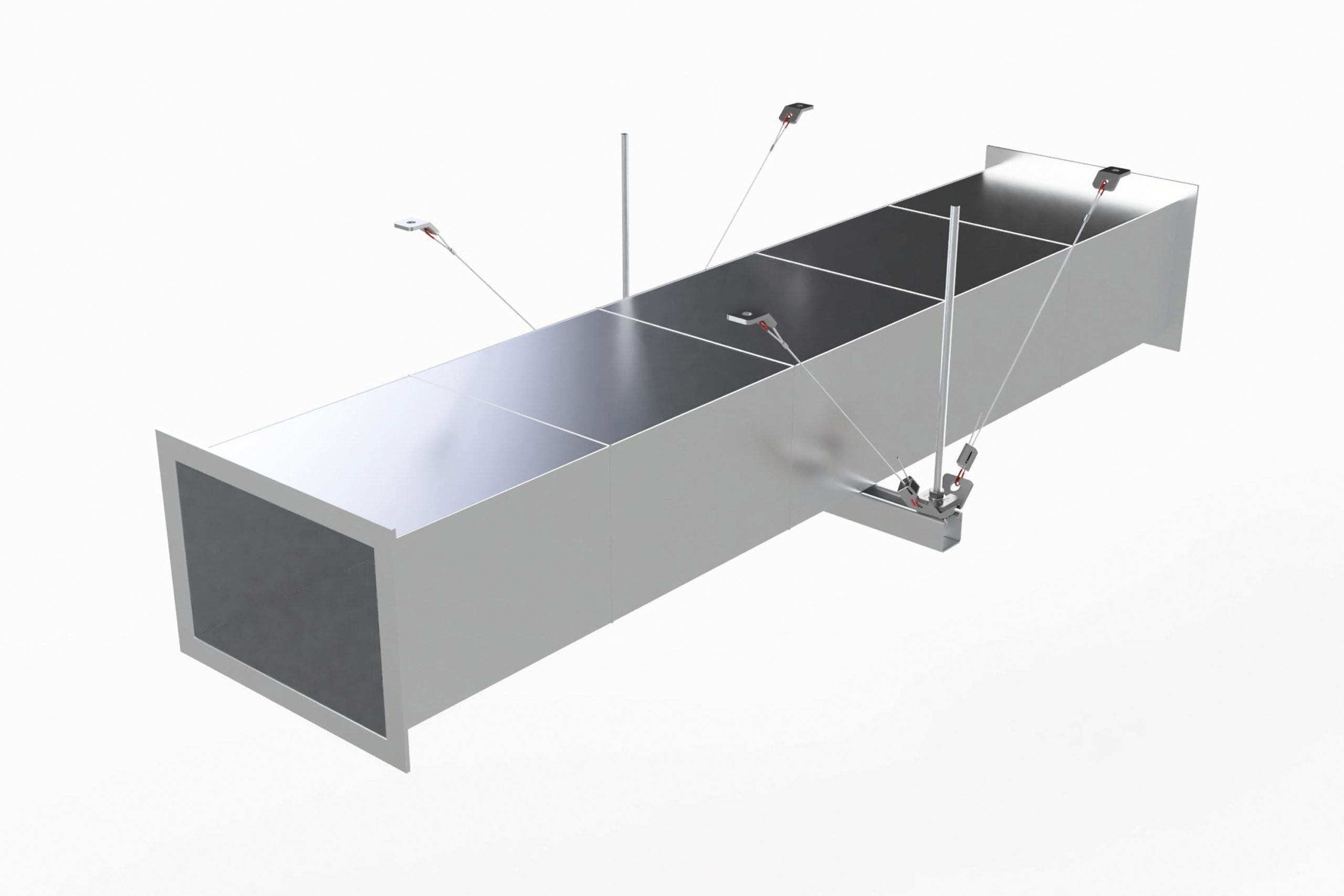
    When it comes to constructing a building, structural stability and safety are two of the most important factors to consider. One method that is commonly used to enhance the seismic performance of a building is trapeze seismic bracing. This innovative technique helps to distribute seismic forces and ensure that the structure can withstand the impact of an earthquake.

    trapeze seismic bracing involves the use of specially designed support systems that are installed within a building’s structure. These systems are typically made up of steel cables or rods that are attached to the ceiling and floor of the building. The cables are spaced out at regular intervals and are strategically placed to provide maximum support and resistance to seismic forces.

    One of the main advantages of trapeze seismic bracing is that it helps to reduce the amount of movement that a building experiences during an earthquake. When an earthquake occurs, the ground shakes back and forth, causing the building to sway and potentially collapse. trapeze seismic bracing helps to stabilize the building and prevent excessive movement, which can help to minimize damage and keep occupants safe.

    In addition to providing stability during an earthquake, trapeze seismic bracing also helps to distribute seismic forces more evenly throughout the structure. This can help to prevent localized damage and ensure that the entire building remains intact. By spreading out the forces, trapeze seismic bracing can help to protect critical structural elements and prevent catastrophic failure.

    Another benefit of trapeze seismic bracing is that it can be customized to suit the specific needs of a building. Engineers can design bracing systems that are tailored to the size, shape, and layout of a structure, ensuring that it receives the maximum amount of support. This flexibility allows trapeze seismic bracing to be used in a variety of different buildings, from residential homes to large commercial structures.

    One common misconception about trapeze seismic bracing is that it is only necessary in areas prone to earthquakes. While it is true that seismic bracing is especially important in regions with high seismic activity, it can also be beneficial in areas that experience less frequent earthquakes. Even a small earthquake can cause significant damage to a building if it is not properly braced, so it is important to consider seismic bracing regardless of the location.

    In addition to providing structural stability, trapeze seismic bracing can also help to lower the overall cost of building maintenance and repair. By reducing the amount of damage that a building sustains during an earthquake, trapeze seismic bracing can help to minimize the need for costly repairs and renovations. This can save building owners time and money in the long run, making trapeze seismic bracing a cost-effective investment.

    Overall, trapeze seismic bracing is an essential component of any building’s seismic design. By providing stability, distributing seismic forces, and reducing damage, trapeze seismic bracing helps to protect buildings and keep occupants safe during an earthquake. Whether in a high seismic zone or not, implementing trapeze seismic bracing can provide peace of mind and ensure the long-term integrity of a structure.

    In conclusion, trapeze seismic bracing is a critical element of modern building design. By providing stability, distributing seismic forces, and reducing damage, trapeze seismic bracing helps to protect buildings and keep occupants safe during an earthquake. Whether in a high seismic zone or not, implementing trapeze seismic bracing can provide peace of mind and ensure the long-term integrity of a structure.

  • Maximizing Your Retirement Savings: The Best Self Employed Pension UK

    As a self-employed individual in the UK, planning for retirement can often be seen as a daunting task Unlike employees who benefit from workplace pensions, self-employed individuals must take the initiative to set up their own pension scheme With the wide range of pension options available, it can be overwhelming to choose the best self-employed pension UK In this article, we will explore the different pension options for self-employed individuals in the UK and provide tips on how to maximize your retirement savings.

    One of the most popular pension options for self-employed individuals in the UK is the Self-Invested Personal Pension (SIPP) A SIPP is a type of personal pension that gives you greater control over your investments With a SIPP, you can choose from a wide range of investment options, including stocks, bonds, and commercial property This flexibility allows you to tailor your pension investments to your individual risk tolerance and investment goals.

    Another popular option for self-employed individuals in the UK is the Stakeholder Pension Stakeholder pensions are designed to be simple and low-cost pension schemes that are suitable for individuals who may not have a lot of investment experience With a Stakeholder Pension, your contributions are invested in a range of funds chosen by the pension provider This hands-off approach can be appealing to self-employed individuals who prefer a more passive investment strategy.

    For self-employed individuals who are looking for a pension scheme with a guaranteed income in retirement, an Annuity may be a suitable option An Annuity is a type of pension that provides a regular income for life in exchange for a lump sum investment While Annuities offer the security of guaranteed income, they may not be the best option for individuals who are seeking to maximize their investment returns through higher-risk investments.

    When choosing the best self-employed pension UK, it’s important to consider your individual retirement goals and risk tolerance best self employed pension uk. If you are comfortable with managing your own investments and are looking to maximize your returns, a SIPP may be the most suitable option for you On the other hand, if you prefer a more hands-off approach and value the security of a guaranteed income in retirement, an Annuity or Stakeholder Pension may be more appropriate.

    In addition to choosing the right pension scheme, there are several steps you can take to maximize your retirement savings as a self-employed individual in the UK One way to boost your pension savings is to take advantage of tax relief on pension contributions By making contributions to your pension scheme, you can benefit from tax relief on your contributions, which can help to grow your pension pot more quickly.

    Another way to maximize your retirement savings is to regularly review and adjust your pension investments The investment landscape is constantly changing, and it’s important to ensure that your pension investments are aligned with your retirement goals and risk tolerance By regularly reviewing your pension investments, you can make adjustments as needed to ensure that your savings are on track to meet your retirement objectives.

    Finally, it’s important to start saving for retirement as early as possible The earlier you start saving for retirement, the more time your investments have to grow By starting to save for retirement early, you can benefit from the power of compound interest and potentially build a larger pension pot over time.

    In conclusion, planning for retirement as a self-employed individual in the UK doesn’t have to be overwhelming By choosing the right pension scheme, taking advantage of tax relief on contributions, regularly reviewing your investments, and starting to save for retirement early, you can maximize your retirement savings and set yourself up for a comfortable retirement Whether you opt for a SIPP, Stakeholder Pension, or Annuity, the key is to take an active role in your retirement planning and make informed decisions that align with your individual retirement goals.

  • Maximizing Efficiency With Warehouse Management Cloud

    In the fast-paced world of business, efficiency is key. And as technology continues to advance, companies are always looking for ways to streamline their operations and improve productivity. One area where technology has had a significant impact is in warehouse management. With the advent of cloud technology, companies can now take advantage of warehouse management cloud solutions to optimize their operations and maximize efficiency.

    So, what exactly is warehouse management cloud? Essentially, it is a software system that allows companies to manage their warehouse operations using cloud-based technology. This means that all the data and information related to inventory, orders, shipments, and more are stored and accessed in the cloud, rather than on traditional on-premise servers. This has several advantages, including increased accessibility, scalability, and cost-effectiveness.

    One of the key benefits of warehouse management cloud is increased accessibility. With a cloud-based system, employees can access real-time information and updates from anywhere with an internet connection. This means that warehouse managers can monitor inventory levels, track shipments, and make decisions on the go, improving overall efficiency and responsiveness. In addition, cloud-based systems often come with mobile apps, allowing warehouse workers to scan inventory, update orders, and communicate with colleagues easily from their smartphones or tablets.

    Another advantage of warehouse management cloud is scalability. Traditional on-premise systems often require expensive upgrades and maintenance as a company grows and expands. With cloud-based systems, companies can easily scale their operations up or down as needed, without the need for costly hardware upgrades or installations. This flexibility allows companies to adapt to changing market conditions quickly and efficiently, without being held back by outdated technology.

    Cost-effectiveness is also a significant benefit of warehouse management cloud. By moving their operations to the cloud, companies can save on upfront hardware and software costs, as well as ongoing maintenance and support fees. This can result in significant cost savings over time, making cloud-based solutions an attractive option for companies looking to improve their bottom line. Additionally, cloud-based systems often come with pay-as-you-go pricing models, allowing companies to only pay for the services they use, rather than investing in expensive software licenses that may go underutilized.

    In addition to these benefits, warehouse management cloud also offers advanced analytics and reporting capabilities. By leveraging the power of the cloud, companies can analyze their data in real-time, identifying trends, patterns, and opportunities for improvement. This can help companies make data-driven decisions, optimize their operations, and ultimately increase efficiency and profitability.

    But perhaps the most significant advantage of warehouse management cloud is its ability to integrate with other systems and applications. Cloud-based systems are often designed to be open and flexible, allowing companies to easily connect with their existing ERP, CRM, and other business systems. This seamless integration streamlines operations, eliminates data silos, and improves collaboration across departments, leading to a more cohesive and efficient supply chain.

    It’s clear that warehouse management cloud offers a wide range of benefits for companies looking to improve their warehouse operations and maximize efficiency. From increased accessibility and scalability, to cost-effectiveness and advanced analytics, cloud-based systems are revolutionizing the way companies manage their warehouses. By embracing this technology, companies can stay ahead of the competition, meet customer demand, and drive growth in today’s rapidly changing business landscape.

    In conclusion, warehouse management cloud is a powerful tool that can help companies streamline their operations, improve productivity, and ultimately achieve their business goals. By leveraging the accessibility, scalability, cost-effectiveness, and advanced analytics capabilities of cloud-based systems, companies can optimize their warehouse operations and drive growth in an increasingly competitive market. It’s clear that warehouse management cloud is the future of warehouse management, and companies that embrace this technology will have a significant advantage over their competitors.

  • Enhance Your Space With 2×2 Acoustic Ceiling Tiles

    When it comes to transforming a space, whether it be a classroom, office, or home, the ceiling is often an overlooked aspect of design. However, incorporating 2×2 acoustic ceiling tiles can not only improve the aesthetics of a room but also enhance its functionality. These ceiling tiles are a popular choice for both commercial and residential spaces due to their numerous advantages.

    One of the primary benefits of 2×2 acoustic ceiling tiles is their sound absorption capabilities. These tiles are designed to reduce noise levels by absorbing sound waves, making them ideal for spaces where noise reduction is important, such as classrooms, offices, and conference rooms. By installing acoustic ceiling tiles, you can create a quieter and more conducive environment for concentration, communication, and productivity.

    In addition to their sound absorption properties, 2×2 acoustic ceiling tiles also help improve the acoustics of a space. By reducing reverberation and echo, these tiles can enhance the overall sound quality in a room, making it more comfortable and enjoyable for occupants. This is especially beneficial in spaces where audio quality is important, such as music studios, home theaters, and conference rooms.

    Another advantage of 2×2 acoustic ceiling tiles is their ability to improve the thermal efficiency of a space. These tiles can help insulate a room, reducing heat loss in the winter and heat gain in the summer. By improving the thermal performance of a space, acoustic ceiling tiles can help reduce energy costs and create a more comfortable indoor environment year-round.

    From a design perspective, 2×2 acoustic ceiling tiles offer a wide range of options to suit different aesthetics and preferences. These tiles are available in a variety of colors, patterns, and textures, allowing you to customize the look of your ceiling to complement the overall design of your space. Whether you prefer a sleek and modern look or a more traditional aesthetic, there are acoustic ceiling tiles available to suit your needs.

    Installing 2×2 acoustic ceiling tiles is also a relatively simple and cost-effective way to upgrade the look and functionality of a room. These tiles are lightweight and easy to install, making them a convenient option for both new construction and renovation projects. Additionally, acoustic ceiling tiles are durable and low-maintenance, ensuring long-lasting performance and aesthetic appeal.

    In terms of sustainability, 2×2 acoustic ceiling tiles are an environmentally friendly choice for your space. Many manufacturers offer tiles that are made from recycled materials, reducing the impact on the environment. Additionally, acoustic ceiling tiles can help improve indoor air quality by reducing the transmission of airborne particles and allergens, creating a healthier indoor environment for occupants.

    Whether you are looking to enhance the sound quality, thermal efficiency, or aesthetics of a space, 2×2 acoustic ceiling tiles offer a versatile and practical solution. With their sound absorption capabilities, acoustic performance, design options, ease of installation, durability, and sustainability, these tiles are a valuable addition to any space.

    In conclusion, 2×2 acoustic ceiling tiles are a versatile and cost-effective solution for improving the functionality and aesthetics of a space. Whether you are looking to create a quieter and more comfortable environment, enhance the acoustics of a room, or update the design of your ceiling, acoustic ceiling tiles offer numerous benefits. Consider incorporating 2×2 acoustic ceiling tiles in your next project to transform your space into a more functional, attractive, and sustainable environment.