Seismic activity is a constant threat in many parts of the world. Earthquakes can cause devastating damage to buildings and infrastructure, putting lives at risk and costing billions of dollars in repairs. This is why it is crucial for buildings in earthquake-prone areas to have a seismic bracing system in place.
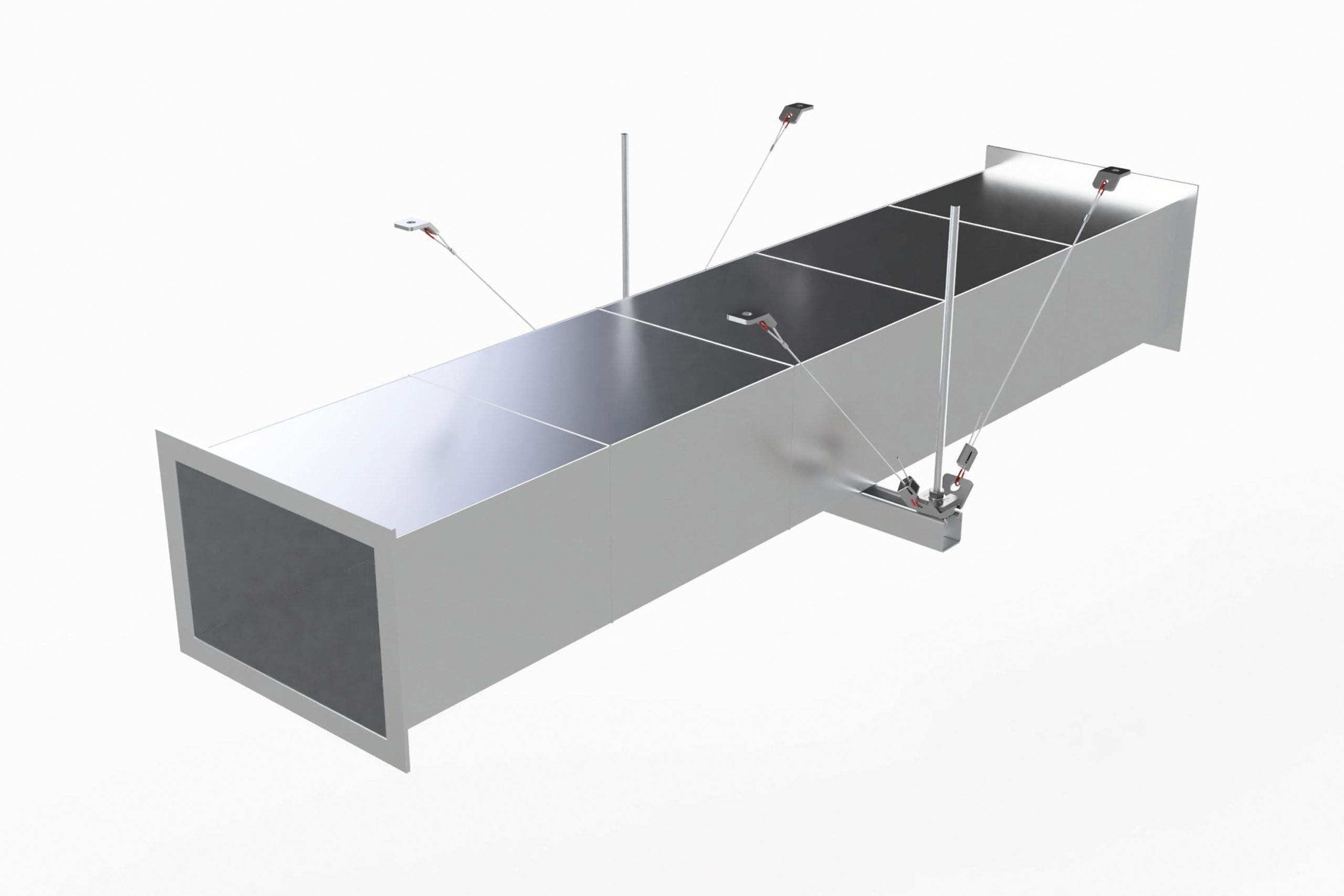
A seismic bracing system is a series of elements designed to prevent or minimize damage to a building during an earthquake. These systems are typically made up of braces, anchors, and other structural elements that are strategically placed throughout a building to help it withstand the forces of an earthquake.
There are several different types of seismic bracing systems, including active and passive systems. Active systems use sensors and actuators to detect seismic activity and adjust the building’s structure accordingly. Passive systems, on the other hand, are designed to absorb the energy of an earthquake and dissipate it throughout the building.
One common type of seismic bracing system is the base isolation system. This system works by decoupling the building from the ground using either flexible bearings or sliding plates. This allows the building to move independently of the ground during an earthquake, reducing the forces that are transferred to the structure.
Another type of seismic bracing system is the moment-resisting frame system. This system uses special connections between the beams and columns of a building to provide additional strength and support during an earthquake. These connections are designed to flex and absorb the energy of an earthquake, helping to prevent the building from collapsing.
In addition to these systems, there are also supplemental bracing systems that can be added to existing buildings to improve their seismic performance. These systems typically involve adding additional braces, anchors, or supports to strengthen the building’s structure and reduce the risk of damage during an earthquake.
One of the key benefits of a seismic bracing system is that it can help to protect both the building and its occupants during an earthquake. By reducing the amount of damage that a building sustains during an earthquake, a seismic bracing system can help to prevent injuries and save lives.
In addition to protecting lives and property, seismic bracing systems can also help to reduce the long-term costs of earthquake damage. By investing in a seismic bracing system, building owners can minimize the need for costly repairs and renovations after an earthquake, saving them time and money in the long run.
However, designing and installing a seismic bracing system can be a complex and specialized process. Building owners should work with experienced engineers and contractors to ensure that their building is properly protected against seismic activity.
Overall, a seismic bracing system is an essential component of any building located in an earthquake-prone area. By investing in a seismic bracing system, building owners can protect their property, their investment, and most importantly, the lives of those who occupy the building.
In conclusion, seismic bracing systems are crucial for buildings in earthquake-prone areas. These systems help to protect buildings and their occupants from the devastating effects of earthquakes by reducing the forces that are transferred to the structure during an earthquake. Investing in a seismic bracing system is a smart decision for building owners who want to protect their property and save lives in the event of an earthquake.