seismic wire rope, also known as vibratory wire rope or geophone wire, plays a crucial role in the field of geophysical exploration. This specialized wire rope is designed to withstand the intense vibrations and seismic movements that occur during seismic surveys, making it an essential component in the extraction of valuable information from beneath the Earth’s surface.
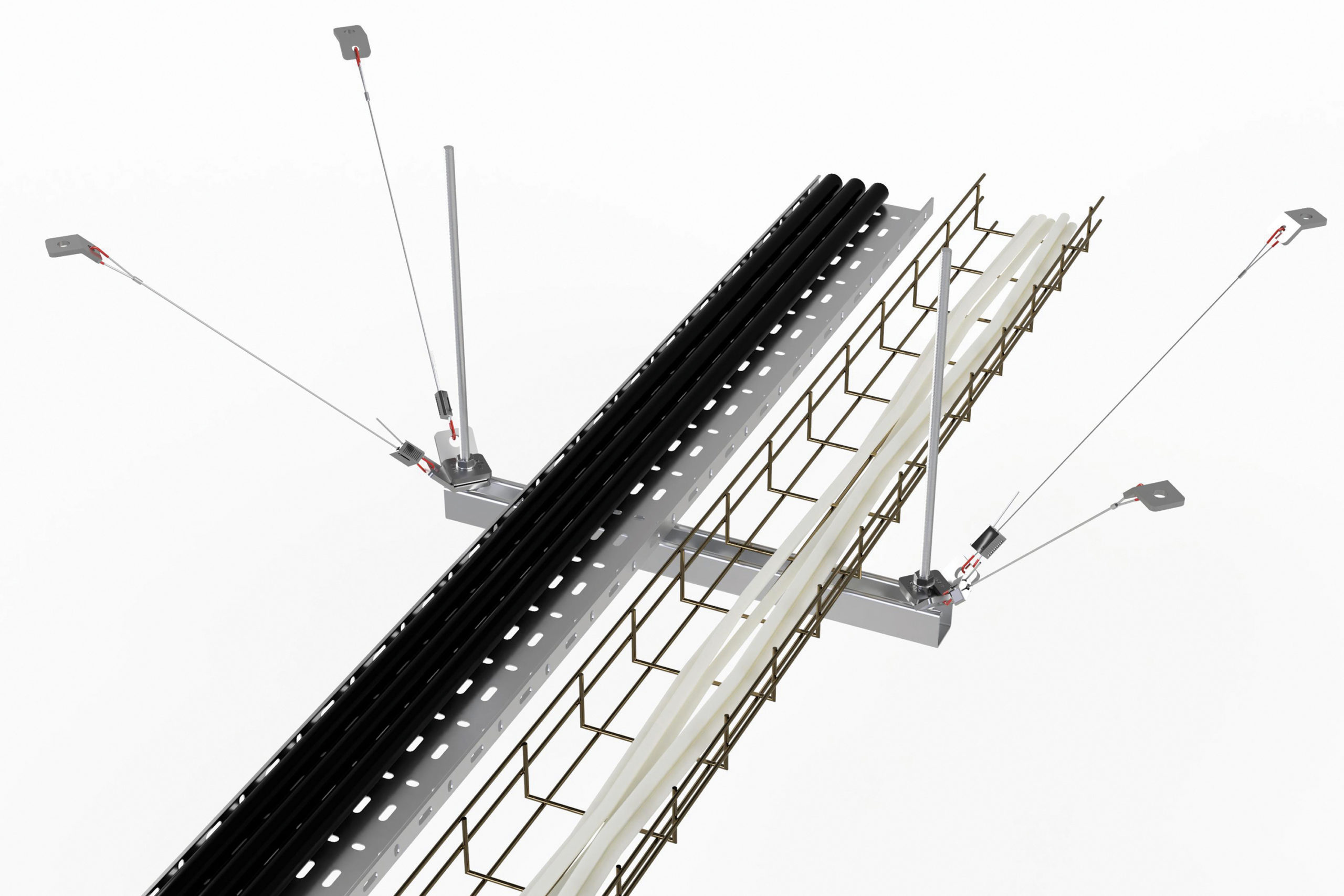
seismic wire rope is specifically engineered to provide the strength and durability needed to support geophones, which are instruments used to detect seismic waves and vibrations. These waves are generated by various sources, such as explosives or vibrating trucks, and are used to create detailed images of underground structures, such as oil and gas reservoirs, mineral deposits, and even fault lines.
The construction of seismic wire rope is what sets it apart from traditional wire rope. It is typically made of high-strength steel wires that are tightly wound together to form a flexible yet robust cable. The outer layer of the wire rope is coated with a protective material, such as PVC or polyethylene, to enhance its resistance to abrasion, corrosion, and rough handling. This protective coating not only prolongs the lifespan of the wire rope but also ensures that it can withstand harsh environmental conditions and physical stress during seismic surveys.
One of the key characteristics of seismic wire rope is its ability to transmit vibrations accurately and efficiently. The geophones attached to the wire rope are sensitive instruments that convert ground motion into electrical signals, which are then processed to create seismic images. The wire rope must be able to transmit these signals without distortion or interference, making it crucial to the overall success of a seismic survey.
In addition to its strength and durability, seismic wire rope offers versatility in its applications. It can be used in various configurations, such as single-ended or double-ended arrays, to accommodate different survey requirements and geological conditions. The flexibility of the wire rope allows for easy installation and adjustment, making it an ideal choice for dynamic and fast-paced seismic operations.
The use of seismic wire rope has revolutionized the field of geophysical exploration, enabling researchers and engineers to conduct more accurate and efficient surveys. By providing a stable and reliable platform for geophones, wire rope ensures that seismic data is captured with precision, allowing for the identification of subsurface features and anomalies that may contain valuable resources.
Furthermore, seismic wire rope is essential for safety purposes during seismic surveys. The wire rope acts as a secure anchor for the geophones, preventing them from shifting or falling over during an operation. This not only protects the equipment from damage but also reduces the risk of accidents and injuries to personnel working in the field.
As technology advances and the demand for more precise and detailed seismic data increases, the importance of seismic wire rope in geophysical exploration continues to grow. Researchers and engineers rely on the strength, durability, and versatility of wire rope to support their geophones and ensure the success of their surveys.
In conclusion, seismic wire rope is a critical component in the field of geophysical exploration, providing the strength, durability, and versatility needed to conduct accurate and efficient seismic surveys. Its ability to transmit vibrations accurately and efficiently, along with its role in ensuring the safety of personnel and equipment, makes seismic wire rope an indispensable tool for researchers and engineers. As advancements in technology continue to drive the industry forward, seismic wire rope will remain a cornerstone of geophysical exploration, enabling the discovery of valuable resources and insights buried beneath the Earth’s surface.